The First Gym Must Have Seemed Ridiculous
I’m not sure who was the first person who opened a modern commercial gym. I imagine there were some rudimentary barbells and dumbbells, perhaps fashioned out of heavy rocks. Probably some wooden rings suspended from the ceiling. Maybe there were other ancient machines that could easily be mistaken for an instrument dragged from a medieval dungeon.

And then I continue to wonder how difficult it was for the new gym owner to convince the neighborhood denizens to come into his new, modern torture chamber to essentially wreck themselves. Why on Earth would someone pay to go into a hot, smelly room to lift heavy objects?!

Weren’t there a pile of giant boulders in the yard behind the house that had to be moved anyway? And if people wanted to sweat, why wouldn’t they just go walk their mule around the pasture for an hour or so? Or count reps while chopping down a tree?
Convincing people that going to a gymnasium and strengthening their bodies was a worthy use of their time and money must have been incredibly difficult when the gym was in a Category of One. He wasn’t just trying to sell memberships, he was trying to convince people that picking heavy things up and putting them back down was a good idea.
And yet - flash forward to today when gyms are ubiquitous, modern, and edgy. They’re so packed it’s nearly impossible for me to get any time on a bench press because that dude with the hoodie has been sitting on it scrolling on TikTok for 20 minutes.
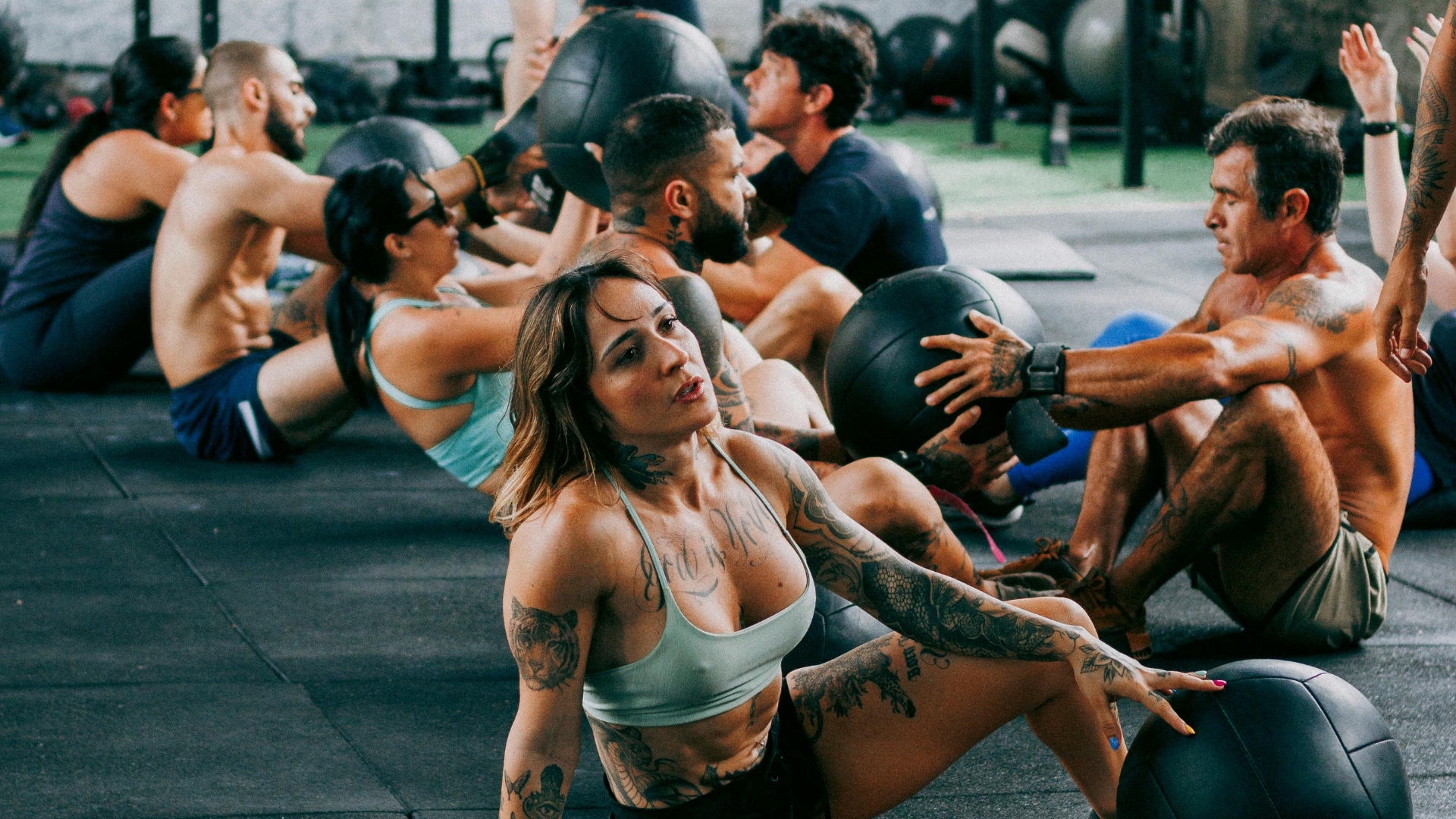
There are yoga studios, Crossfit boxes, boxing gyms, barre studios, and modern gyms with state-of-the-art equipment and all the amenities. There are sauna studios filled to the brim with sweaty bodies even though it's 178 degrees during Austin’s summer.
Nobody needs to be told that it’s important to maintain a strong, healthy body. Nobody needs to be convinced that they can achieve this at whichever flavor of gym they want. Similarly, nobody needs to be told how important it is for them to spend some deliberate time away from their devices. New studies about the benefits of a digital detox are pasted all over news feeds daily. I’ve seen fast-food chains reward customers with a cookie for making it through a meal without looking at their phones. The reality is, people understand it at an instinctive level.
And yet, when you own a device-free social space in East Austin designed to help people detach from the digital pull of their devices to do more “analog” pursuits like reading, journaling, playing games, or engaging in meaningful conversations, it can be surprisingly difficult to get people to walk through the door. The Analog Room is in a Category of One similar to the poor gym owner from centuries ago.

People know they’d probably benefit from less social media, less news, less AI, and less time staring at a glowing rectangle. We also tend to believe we can simply put the thing down whenever we want.
But…how’s that going?!
Is any mere mortal really able to detach when the most sophisticated technology companies in human history employ armies of very smart people whose job is to make sure we don’t?
So, for now, I’ll keep opening the doors to this slightly strange little room in East Austin and helping people through those first few uncomfortable minutes without their phones. Maybe someday a room designed to exercise our attention will seem as ordinary as a room designed to exercise our bodies.
And perhaps people will look back and wonder why we ever thought it was strange.