Why I’m Stepping Away from Coaching and Physical Rehabilitation—and Into the Analog World
TLDR:I’m stepping away from my role as an exercise coach and physical therapist because I’ve come to see the limitations of those approaches when they exist in isolation. Over the past several years, I’ve learned to value presence, community, and limiting my time with technology in order to engage in more focused, “analog” activities. With this shift, the improvements in my own health have been outsized. Now I have decided to open Analog Rooms in the United States to share this simple idea as a way to help humans regain focus, happiness, and community.
My world (and my worldview) has shifted dramatically from where it was just seven years ago.
Granted, that kind of transformation might be expected after living through a global pandemic. And it will also tend to happen when you move your family from Los Angeles to Mérida, Mexico and immerse yourself in new cultures, new food, new ideas, and new ways of living.
A welcome to Mexico
My outlook on life has changed.
My stress levels have changed.
My priorities have changed.
The way I deal with adversity and adapt to the unfamiliar has changed.
But one thing I didn’t necessarily expect was how radically my understanding of physical health would evolve.
Perhaps it began with René Descartes, who sparked conversations about the mind–body connection, or the Roman satirist Juvenal, who penned the phrase “mens sana in corpore sano” (a sound mind in a sound body.)
Regardless of where the idea originated, the concept has been around for centuries: mental health and physical health are inseparable.
Yet during my career as a physical therapist, this connection was often acknowledged but rarely integrated.
Mental health practitioners seldom employed physical interventions. Orthopedists rarely explored the psychological state of their patients. And physical therapists—including myself—focused primarily on the mechanical presentation of symptoms.
Healthcare remained siloed into tightly guarded professional territories.
In physical therapy school, I was never lectured on the importance of breathing practices or meditation. When we were taught to collect subjective information from patients during evaluations, the emphasis was always on precise physical details:
Pain level from 0–10.
Location of symptoms.
Quality of the pain.
Mechanisms of injury.
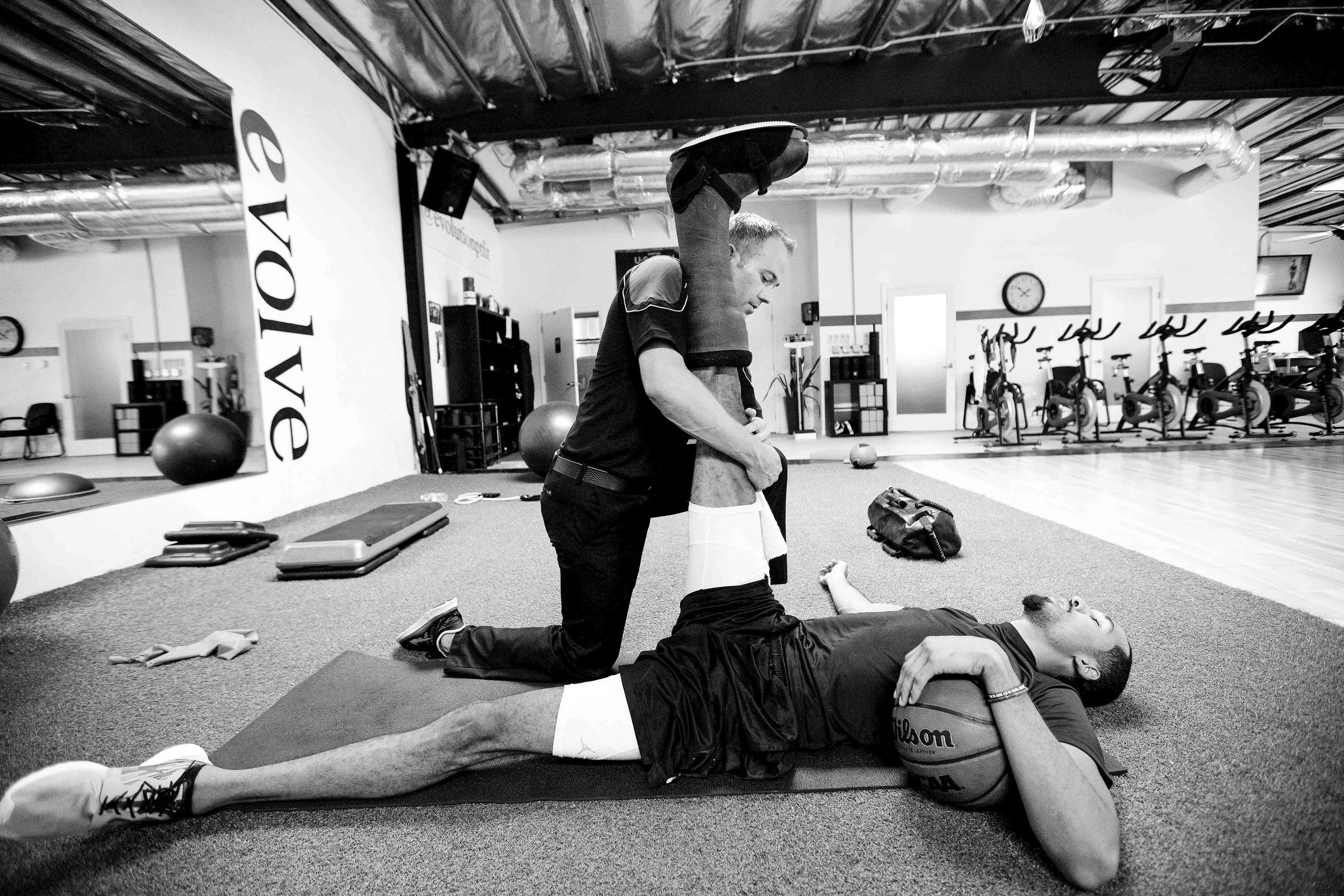
Physical therapy
But we were never instructed to explore a patient’s psychological relationship with their injury, or how stress and emotional state might influence their recovery.
To be fair, I haven’t practiced in a clinical setting for many years. I hope the profession has evolved. I hope the treatment model has become more holistic. Even a glacial shift in that direction would be welcome.
But my own understanding of health has changed dramatically.
This topic deserves far more discussion than a single blog post can provide. But I want to share what my own experience has revealed.
Regardless of whether care is siloed or integrative, I believe one of the largest drivers of chronic or insidious pain is stress.
That’s not a radical idea. It’s practically a cliché at this point.
But the problem with clichés is that they are often true—and ignored.
Reducing stress is critical for a healthy mind and a healthy body.
And what I’ve learned is that it’s rarely about one single intervention.
Not just meditation.
Not just yoga.
Not just breathwork.
Not just cold plunges or saunas.
Not just reading.
It’s all of it.
It’s a lifestyle.
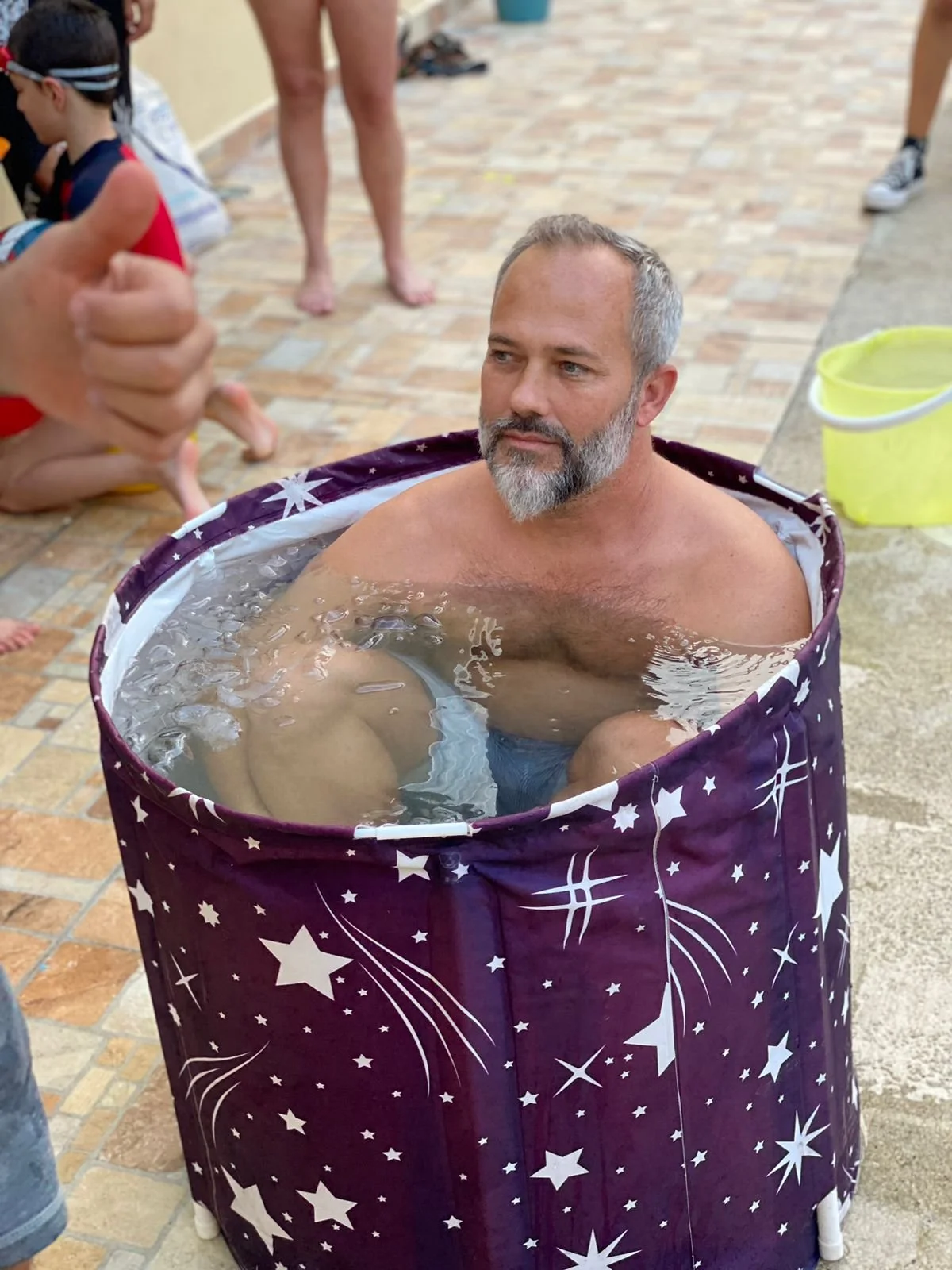
Cold plunge
And just as important as the things I do to reduce stress are the things I no longer do.
I avoid processed foods.
I buy vegetables from roadside farmers whose produce may not look like a Whole Foods display but tastes far better. (Pro tip: wash them well.)
I avoid negative people.
I turn off the news.
I reduce my screen time.
I limit my social media exposure and curate my feeds to remove negativity.
(Adorable baby animal videos now dominate my algorithms.)
I turn off notifications when I’m working or eating.
I keep my phone out of the bedroom.
I break unconscious habits that were designed to capture and hold my attention.
Because that’s exactly what these technologies were scientifically built to do.
Living in Mexico has taught me something else as well: the profound value of community.
Real community.
Not the buzzword version optimized for Instagram algorithms.
If you visit a pueblo near our home after the oppressive Yucatán sun goes down, you’ll see neighbors sitting on their doorsteps talking and laughing together. You’ll see families sharing chelas and chisme.
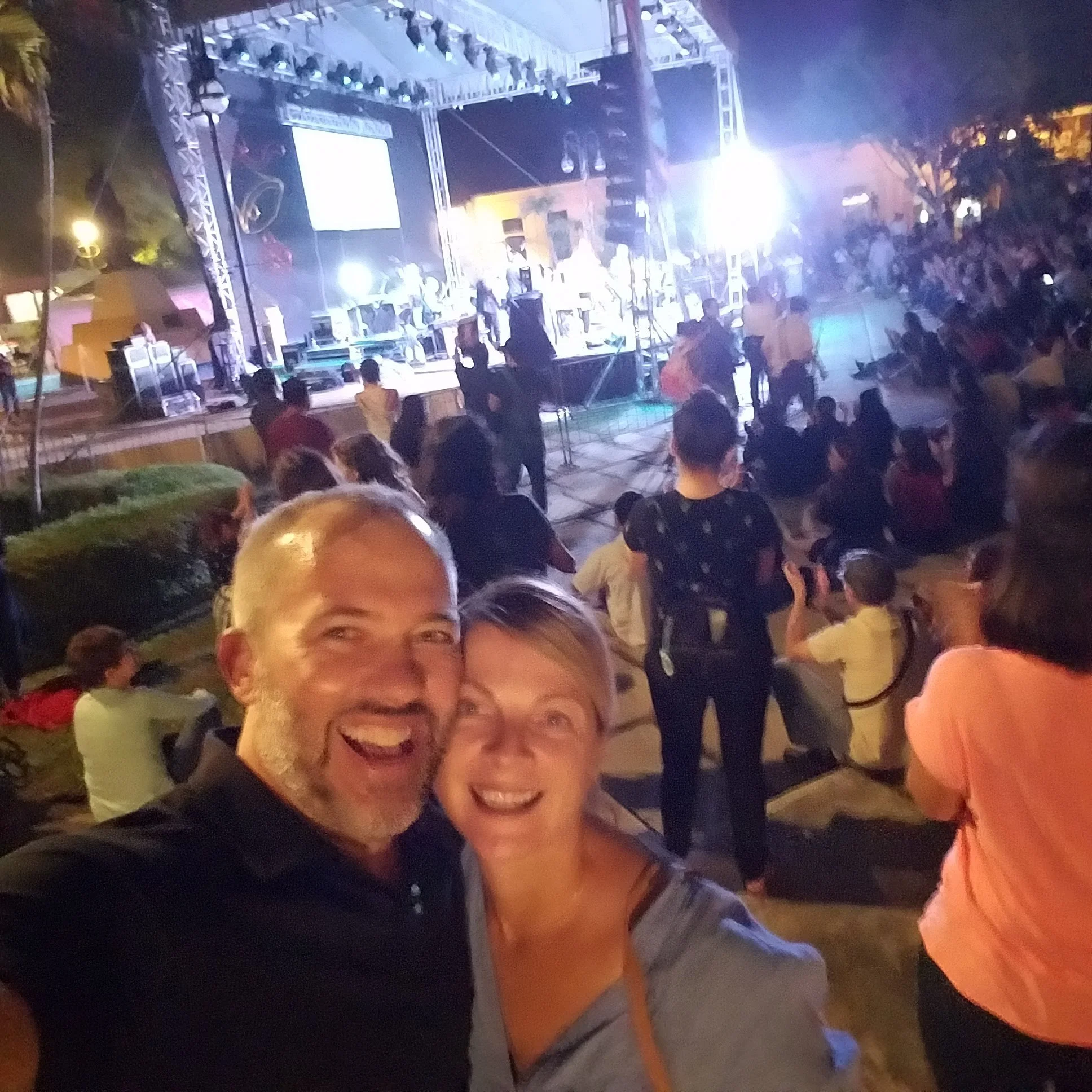
Always a party
Children play freely in the town square beneath the cathedral.
Food stands appear almost magically, and the incredible aromas of authentic street food drift through the streets.
People linger.
People talk.
People smile.
People are present with each other.
Is Mexico a utopia? Of course not. There are real challenges here.
But living here has opened my eyes to a different rhythm of life, a rhythm that has been profoundly healthy for me and my family.
And of course, Descartes and Juvenal were right. Moving the physical body through thoughtful exercise by improving mobility, strength, cardiovascular fitness, and balance plays a powerful role in nurturing mental and emotional well-being.
But what I’ve come to appreciate more deeply is how the nervous system governs all of it.
Health is largely about learning how to down-regulate the nervous system.
Activating the parasympathetic system, primarily through the vagus nerve, reduces blood pressure, deepens breathing, and decreases inflammatory responses.
Many of my newer habits contribute to this:
Breathing practices
Mindfulness
Reduced exposure to technology
Time in nature
Saunas and cold plunges
Deep connection with family and friends
Together, these habits create balance alongside the physical exercise I still practice.
I’m not sure I would have discovered this path had I remained in Los Angeles. Life here in Mexico moves at a slower pace. It almost feels as if life gives you permission to slow down. (Or perhaps it simply forces you to.) Productivity metrics are not the center of existence.
It’s okay to simply be human.
To be present.
To be happy.
To live your life.
I’m deeply grateful for what Mexico and its people have given my family and me.
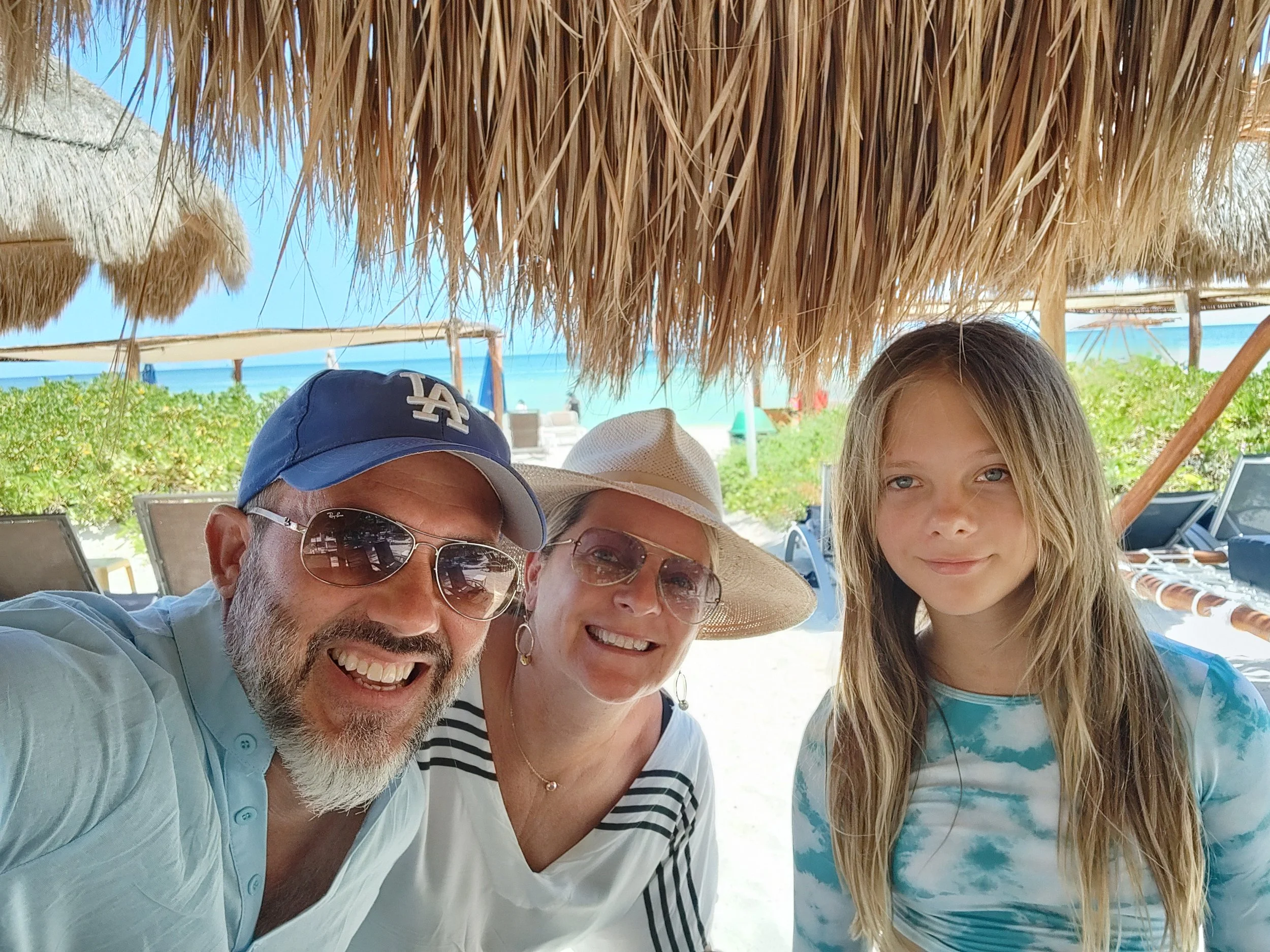
It’s difficult to not be happy at a beach in Mexico
The old version of myself in Los Angeles would have loved to learn how to relax in that hyper-optimized, productivity-driven environment.
But perhaps I needed to leave it in order to see another way.
And this is why I’m returning to the United States with a new mission.
When I left, I was an expert in physical rehabilitation and human movement. Now I’m returning with something different: a deeper understanding of how to live a more balanced life. (Though I still consider myself an apprentice.)
I’m building Analog Rooms—third spaces designed for people to step away from their devices and simply exist.
Members arrive and lock their phones away.
Permission is granted to be non-productive.
To read.
To write.
To think.
To have quiet conversations with like-minded people.
I believe the world needs these spaces right now more than ever.
And I’m excited to create environments where people can become a little more human again— together.
